
Pest Library
Sure Shot Exterminating Inc
Ants
Behavior, Diet, and Habits
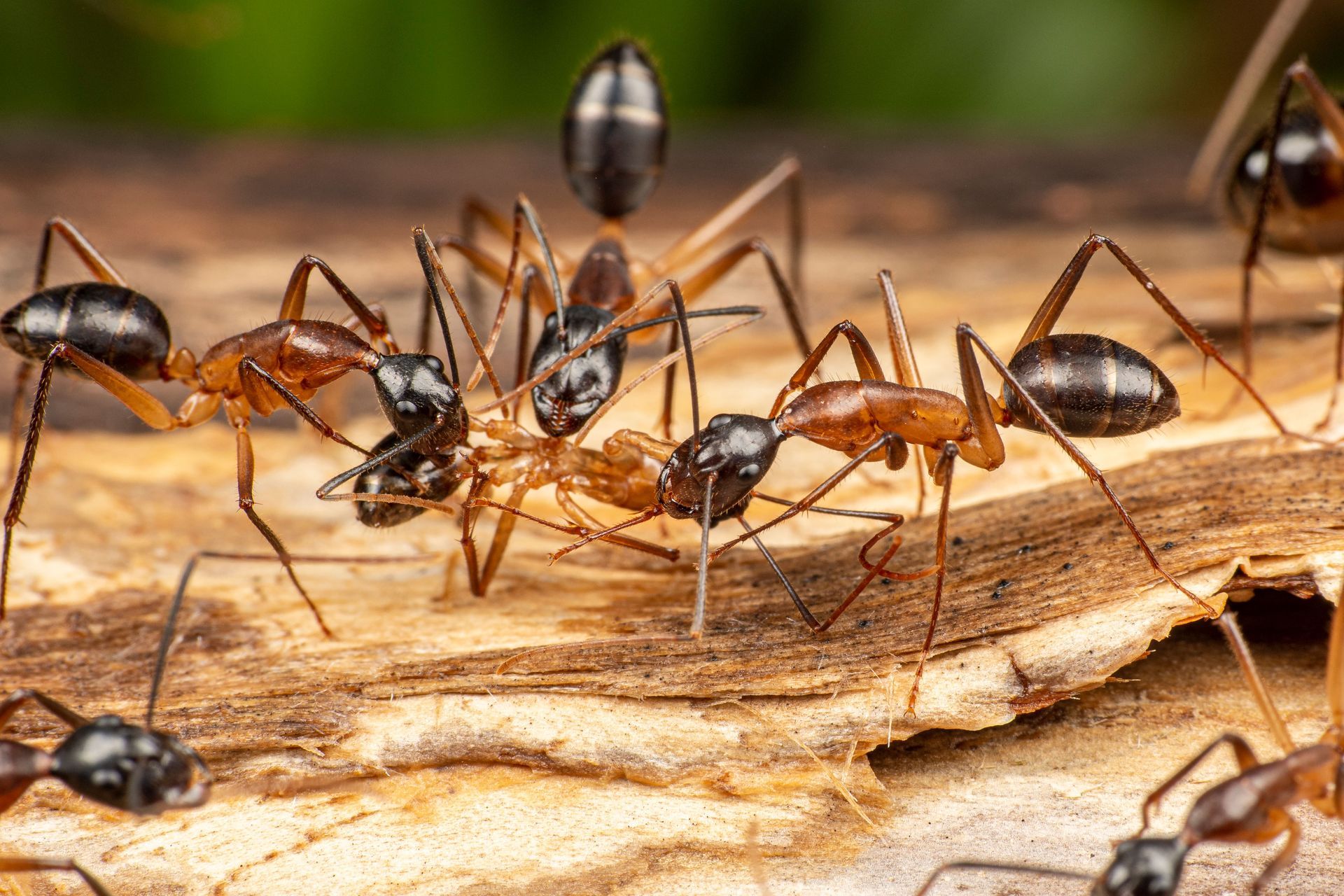
Ants live in cooperative colonies with castes (workers, queens, and sometimes winged reproductives) and follow pheromone trails between nest and food sources. Most species forage for sweets, proteins, or fats, and will exploit tiny cracks to enter buildings in search of moisture and food. They can nest outdoors under stones, logs, or in soil, and indoors in wall voids, insulation, or near water-damaged wood. Seasonal weather changes often trigger sudden foraging indoors as colonies seek stable temperatures and humidity.
Reproduction
Colonies are founded by a queen after a nuptial flight, during which winged males and females mate; males die soon after. Queens can lay hundreds to thousands of eggs over their lifetimes, with workers caring for brood and expanding the nest. Some species bud off new satellite colonies when populations are high or when disturbed, complicating control.
Signs of Infestation
Visible trails of workers leading to food or moisture are common, especially along baseboards, counters, and exterior foundations. Small piles of soil, debris, or frass near cracks may indicate nest entrances or indoor nesting. Winged swarmers or shed wings inside during spring or summer can signal a mature colony nearby.
Treatments
Wipe up pheromone trails and crumbs, store food in sealed containers, and fix leaks to remove moisture. Use targeted baits matched to the species’ food preference (sweet vs. protein/fat) so workers carry the active ingredient back to the colony. Seal entry points with caulk and weatherstripping; apply non-repellent perimeter treatments as needed. Avoid spraying repellent aerosols on foraging trails, which can cause colony splitting and worsen problems.
Acrobats Ants
Behavior, Diet, and Habits
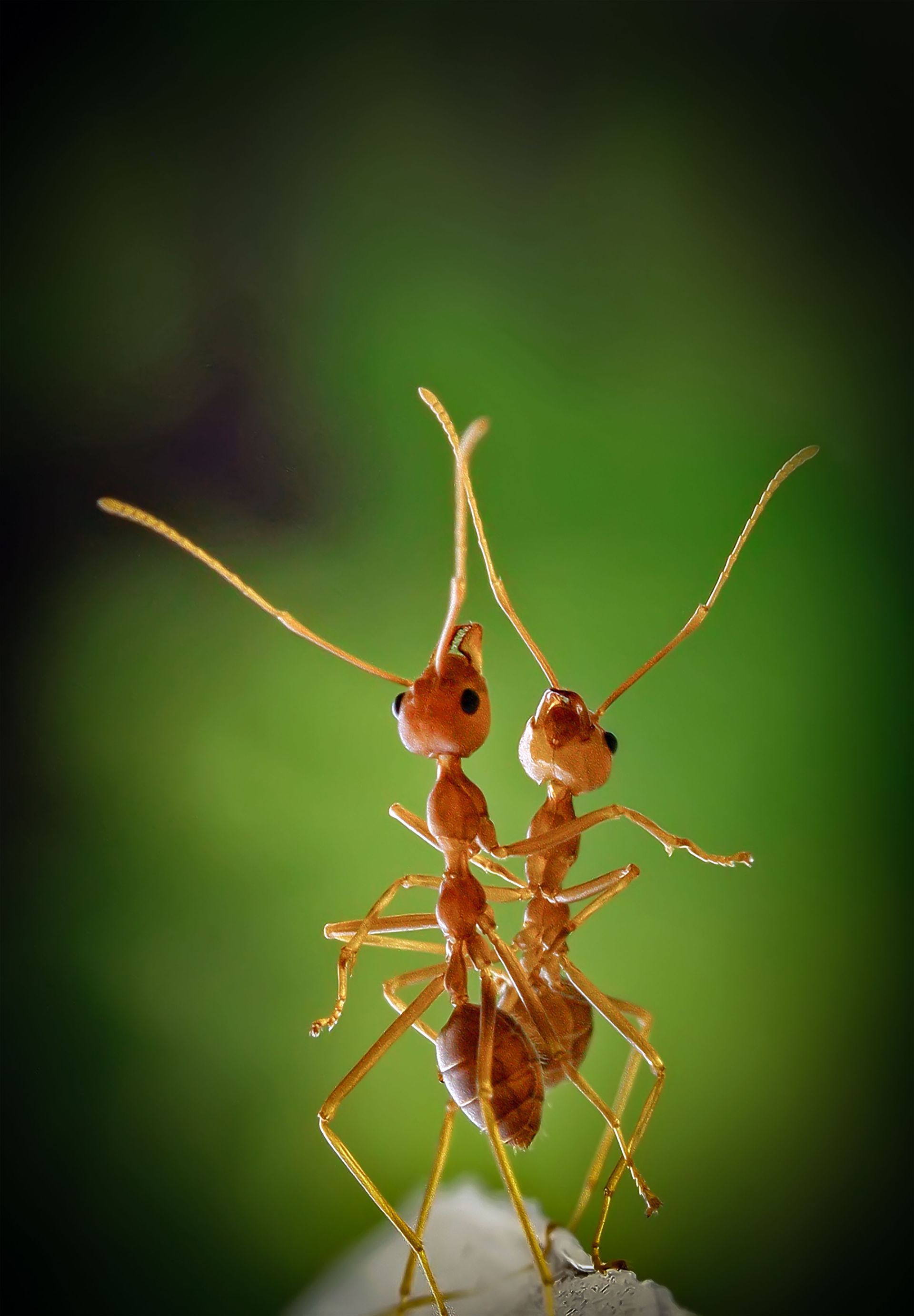
Acrobat ants (Crematogaster spp.) get their name from raising their heart-shaped abdomen over the thorax when disturbed. They nest in decayed wood, old carpenter ant galleries, or under bark, and feed on sweets like honeydew as well as insects. Indoors, they often follow moisture and can trail along wires or utility lines into structures.
Reproduction
Like other ants, acrobat ants reproduce via nuptial flights where winged males and females mate; queens start new colonies afterward. Colonies are moderate in size, with workers tending brood and expanding into soft, damp wood or pre-existing voids. Multiple satellite nests may form near food and moisture, making full control dependent on finding the parent colony.
Signs of Infestation
Trailing workers, especially along exterior siding, tree limbs touching roofs, or utility lines, are common clues. Sawdust-like debris from excavated wood and small piles of insect parts may be found near nest sites. A faint, unpleasant odor can be noticed when colonies are disturbed.
Treatments
Trim tree limbs and reduce wood-to-soil contact that provides bridgeways into buildings. Locate and treat the primary nest with non-repellent insecticides or use sweet/protein baits accepted by the colony. Repair water-damaged wood and improve ventilation to remove the damp conditions acrobat ants prefer.
Bed Bugs
Behavior, Diet, and Habits
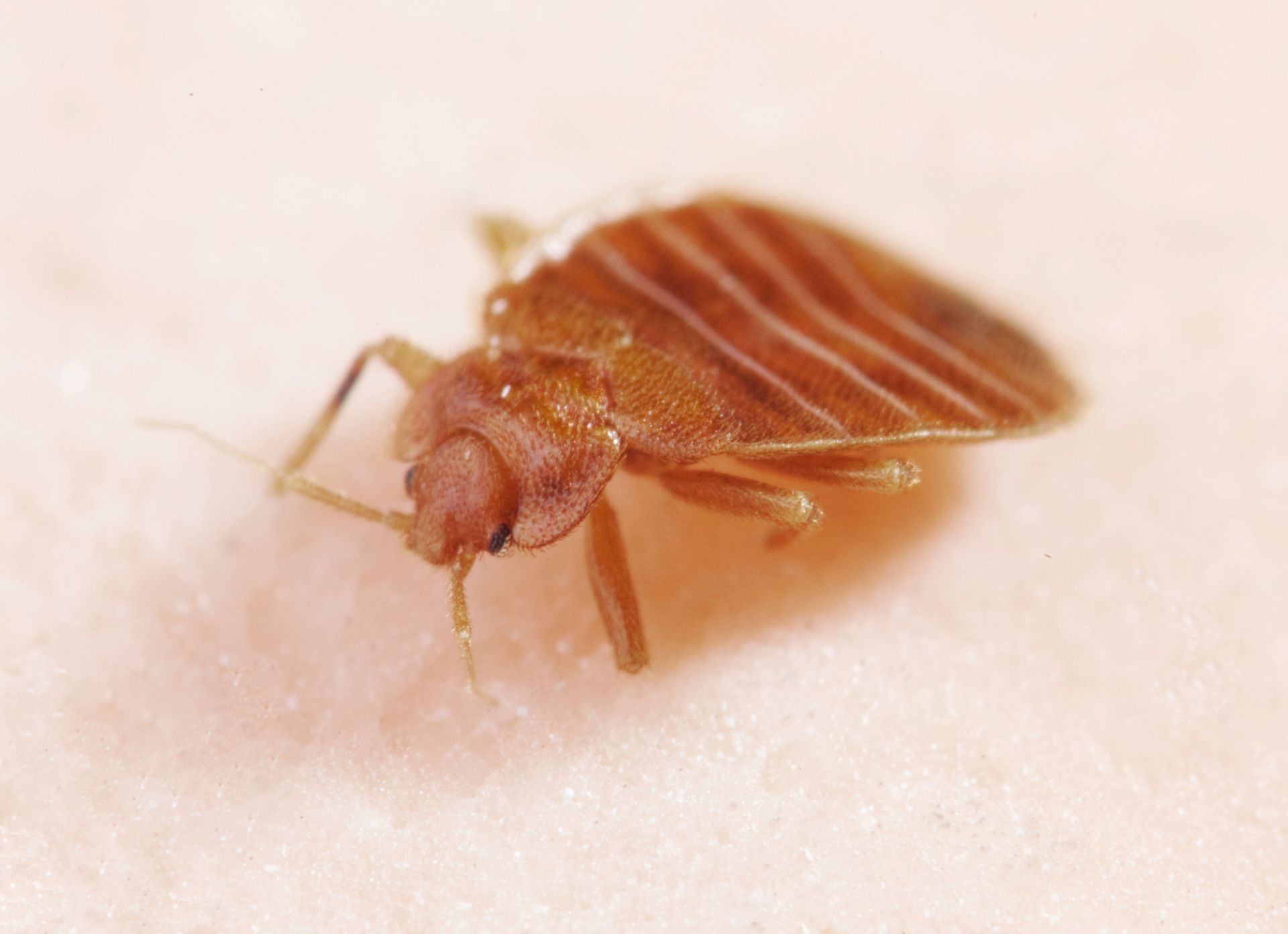
Bed bugs are nocturnal, blood-feeding insects that hide in seams of mattresses, box springs, headboards, and nearby cracks. They do not live on people but emerge at night to feed, often weekly, and can spread via luggage, used furniture, or multi-unit housing. They can survive months without feeding, making them persistent even in vacant rooms.
Reproduction
Females lay small, sticky eggs in hidden crevices; nymphs pass through five molts before becoming adults, requiring a blood meal between stages. Under favorable conditions, populations can grow quickly, leading to widespread infestations across rooms and adjacent units. Without intervention, overlapping generations sustain the infestation for long periods.
Signs of Infestation
Rusty or dark fecal spots on sheets, mattress seams, or bed frames are common indicators. Cast skins, eggs, and a sweet, musty odor may be present near harborage sites. Bites may appear in clusters or lines on exposed skin, although reactions vary and are not diagnostic on their own.
Treatments
Use a comprehensive approach: meticulous inspection, laundering/drying on high heat, vacuuming, and sealing hiding spots. Heat treatments or a series of professional applications (including non-chemical methods) are often required for eradication. Encasements for mattresses and box springs, plus interceptors on bed legs, help monitor and prevent re-infestation.
Black Widows
Behavior, Diet, and Habits
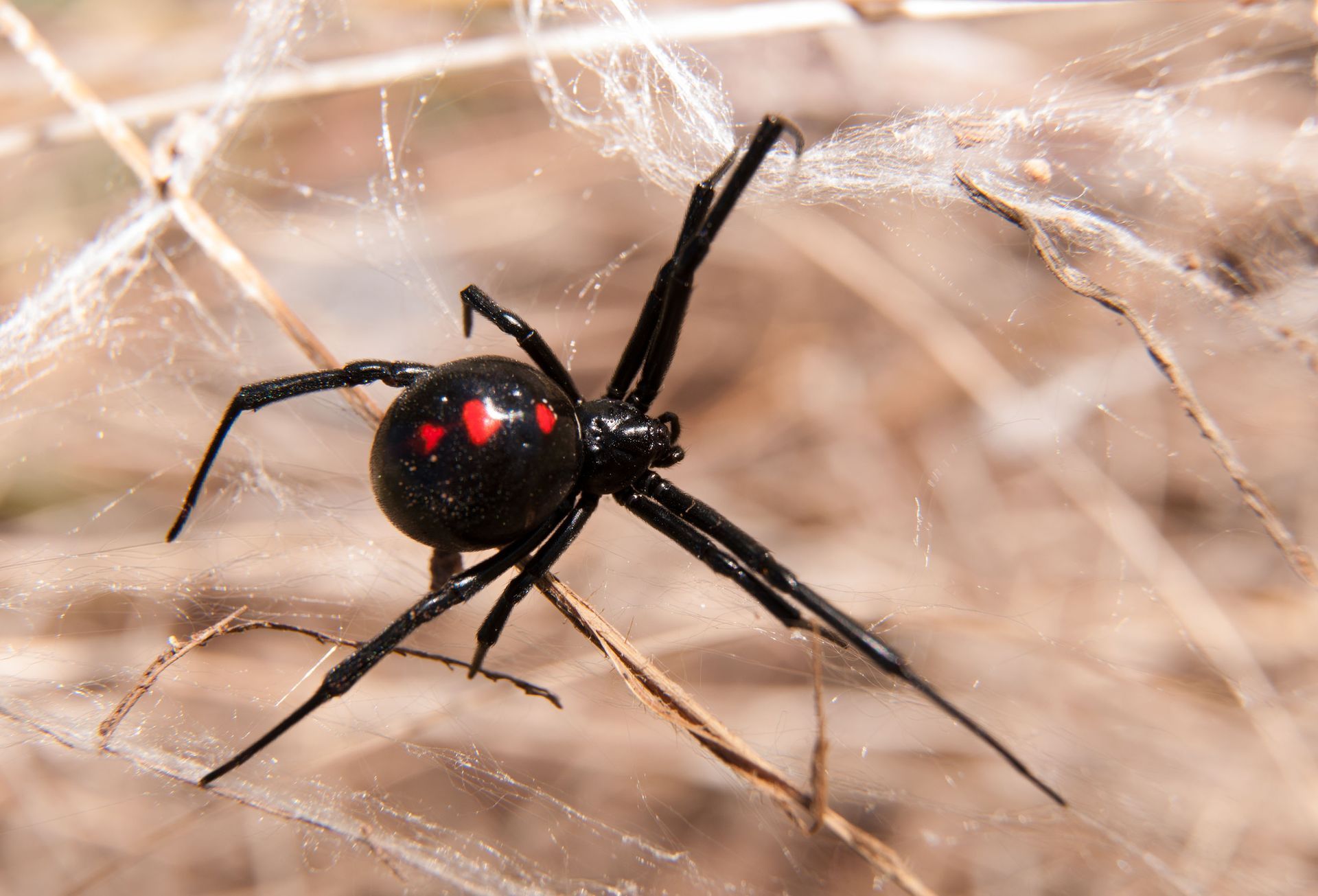
Black widow spiders (Latrodectus spp.) build irregular cobwebs in protected, cluttered, or low-traffic areas like garages and sheds. Females are glossy black with a red hourglass on the underside of the abdomen and prey on insects and other arthropods caught in their webs. They are generally non-aggressive and bite primarily when pressed or trapped.
Reproduction
Females produce papery egg sacs suspended in the web, each containing dozens to hundreds of eggs. Spiderlings disperse by ballooning or walking to nearby harborage and mature over several molts. Population surges can occur when sheltered, cluttered areas provide abundant prey and hiding spots.
Signs of Infestation
Tough, tangled webs near ground level, under furniture, or in corners may signal their presence. Sightings of adult females with the characteristic hourglass marking are the clearest indicator. Egg sacs attached to webbing in quiet areas suggest an established population.
Treatments
Reduce clutter, sweep down webs with care, and wear gloves when working in storage areas. Use targeted residual applications in cracks, corners, and undisturbed spaces if necessary. If a bite is suspected, seek medical advice promptly; preventative steps focus on exclusion, sealing gaps, and reducing outdoor lighting that attracts insect prey.
Boxelder Beetles
Behavior, Diet, and Habits
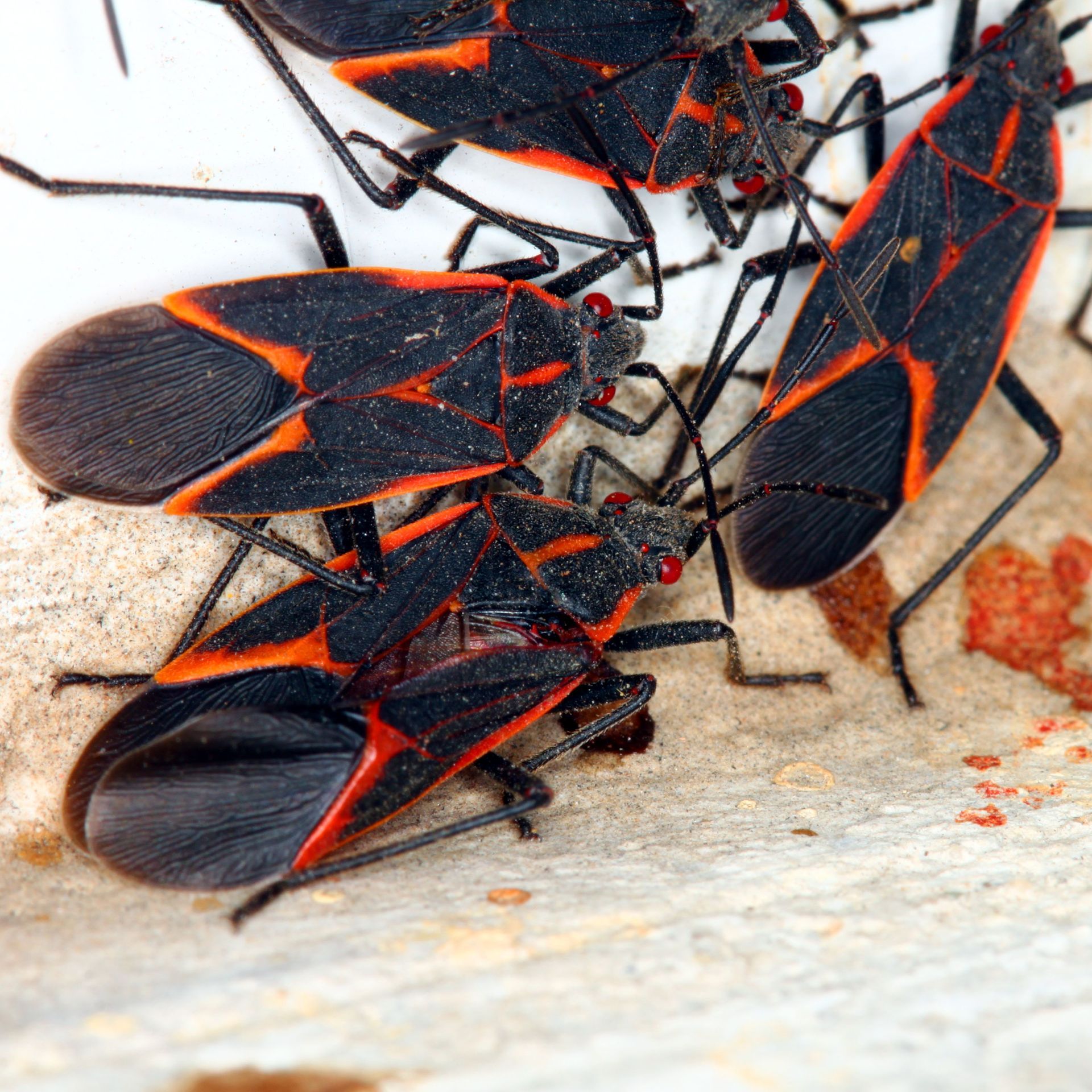
Boxelder bugs congregate on sunny exterior walls in fall and may slip indoors to overwinter in wall voids and attics. They feed primarily on seeds and sap of boxelder and other maples but do not damage structures or stored products. Indoors they are a nuisance rather than a destructive pest and may appear on warm winter days.
Reproduction
Adults overwinter in protected sites and emerge in spring to mate and lay eggs on host trees. Nymphs develop through several stages on foliage and seeds during warm months. Populations often build up near large, seed-bearing boxelder or maple trees.
Signs of Infestation
Masses of red-and-black insects sunning on siding, windows, or tree trunks are typical. Indoor sightings in fall or winter, especially in upper levels, indicate overwintering. Smears or staining can occur if bugs are crushed.
Treatments
Seal exterior gaps, screens, and attic vents before fall; repair weatherstripping to reduce entry. Vacuum indoor invaders; avoid crushing to prevent stains. Consider targeted exterior treatments on south- and west-facing walls in late summer/early fall where congregations occur, and manage nearby host trees when practical.
Brown Recluse
Behavior, Diet, and Habits
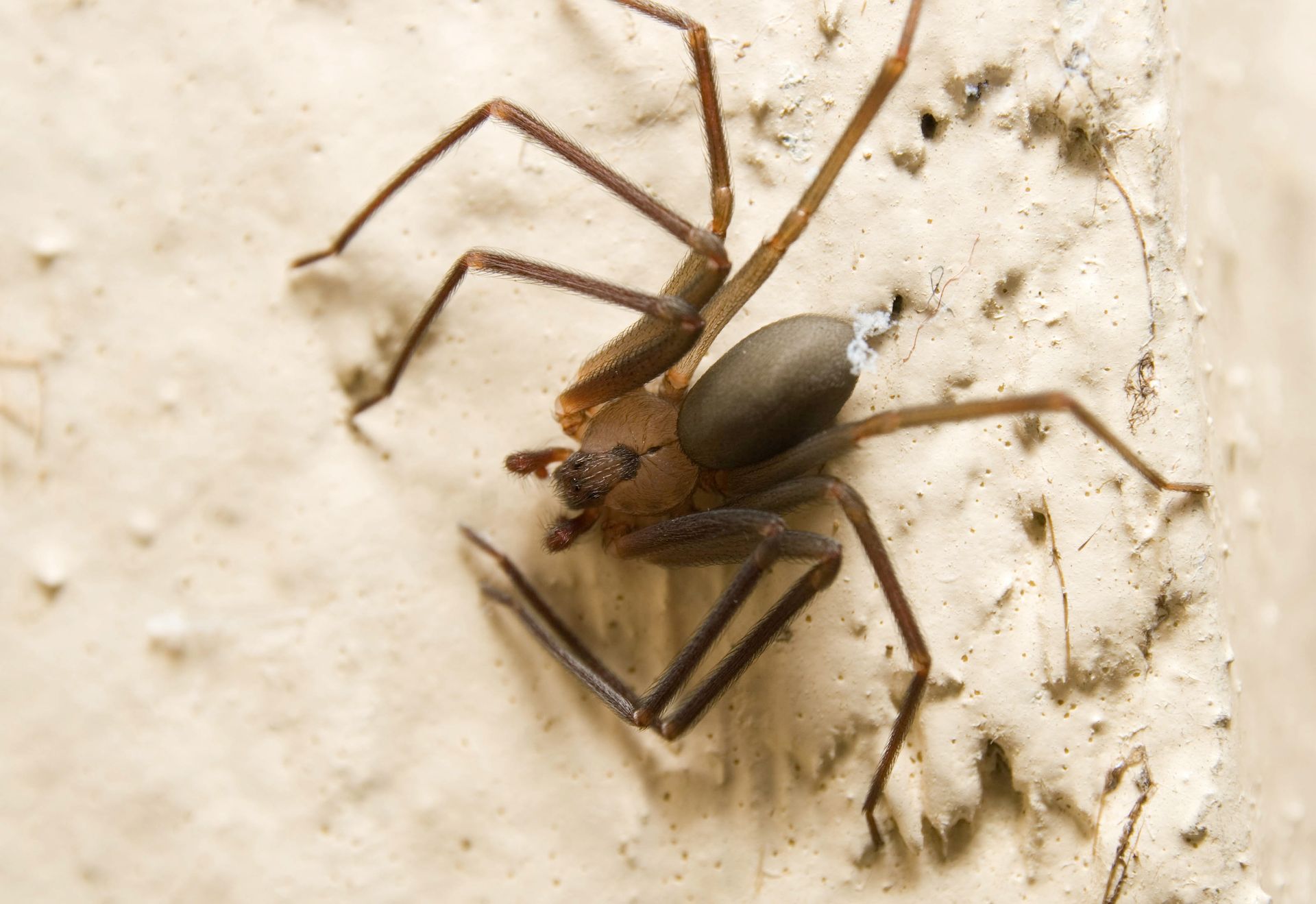
Brown recluse spiders (Loxosceles reclusa) are shy, nocturnal hunters that hide in undisturbed areas such as closets, basements, and stored boxes. They have a violin-shaped marking on the cephalothorax, but reliable identification also relies on eye pattern (six eyes in pairs). They feed on small insects and prefer cluttered, dry environments with ample hiding spots.
Reproduction
Females produce egg sacs containing dozens of eggs, hidden in secluded retreats. Spiderlings emerge and disperse nearby, gradually maturing through molts. Populations grow where clutter and prey are abundant and disturbances are minimal.
Signs of Infestation
Occasional sightings in storage areas, behind furniture, or along baseboards may occur, but they are often cryptic. Loose, irregular retreat webbing in corners or behind items can be present, though they are active hunters rather than web trappers. Finding multiple shed skins or egg sacs in secluded areas suggests a resident population.
Treatments
Reduce clutter, use sticky monitors along baseboards, and wear gloves when moving stored items. Apply targeted residual treatments into cracks, voids, and behind baseboards if needed, focusing on undisturbed harborage. Seal gaps, install door sweeps, and manage indoor insect prey to make the environment less attractive. Seek medical advice if a bite is suspected.
Carpenter Ants
Behavior, Diet, and Habits
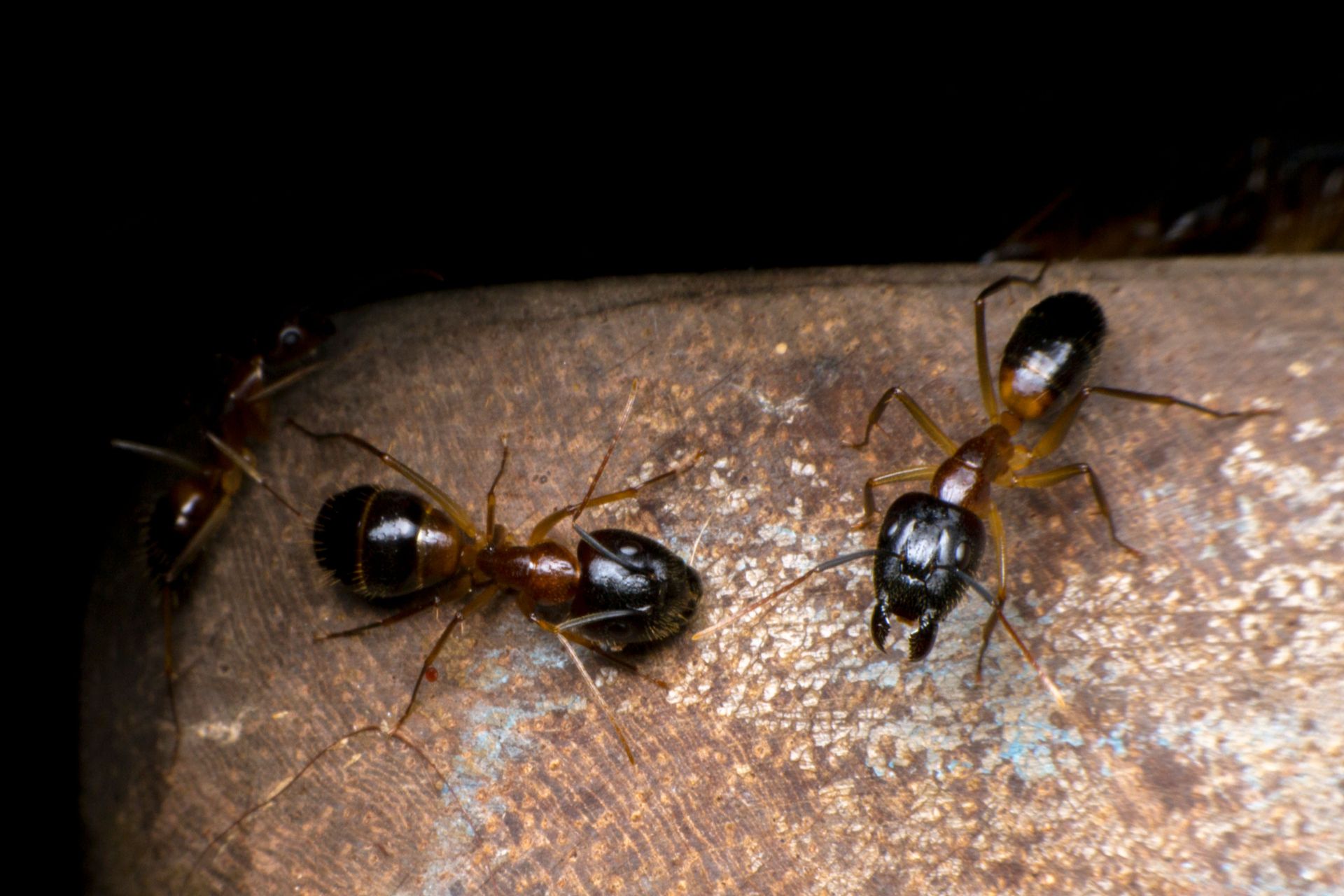
Carpenter ants excavate galleries in wood to nest, favoring damp or decayed timber, but they do not eat wood. Workers forage for sweets and proteins, including honeydew and other insects, often at night. They can establish satellite nests in wall voids, insulation, or window frames near moisture.
Reproduction
Mature colonies produce winged swarmers that fly to mate, after which queens start new colonies. Colonies grow slowly but can become large over several years, developing multiple satellite nests. Moisture problems accelerate expansion and nesting in structures.
Signs of Infestation
Coarse sawdust-like frass with insect parts ejected from kick-out holes indicates active galleries. Rustling sounds in walls, especially at night, and sightings of large black or red-and-black ants are common. Spring swarmers indoors signal a mature colony within or very near the structure.
Treatments
Find and correct moisture sources (leaks, poor flashing), then locate and treat the parent nest with non-repellent insecticides or dusts. Use baits accepted by the colony and maintain exterior sanitation, trimming branches that contact the building. Seal entry points and replace water-damaged wood to remove preferred nesting sites.
Centipedes
Behavior, Diet, and Habits
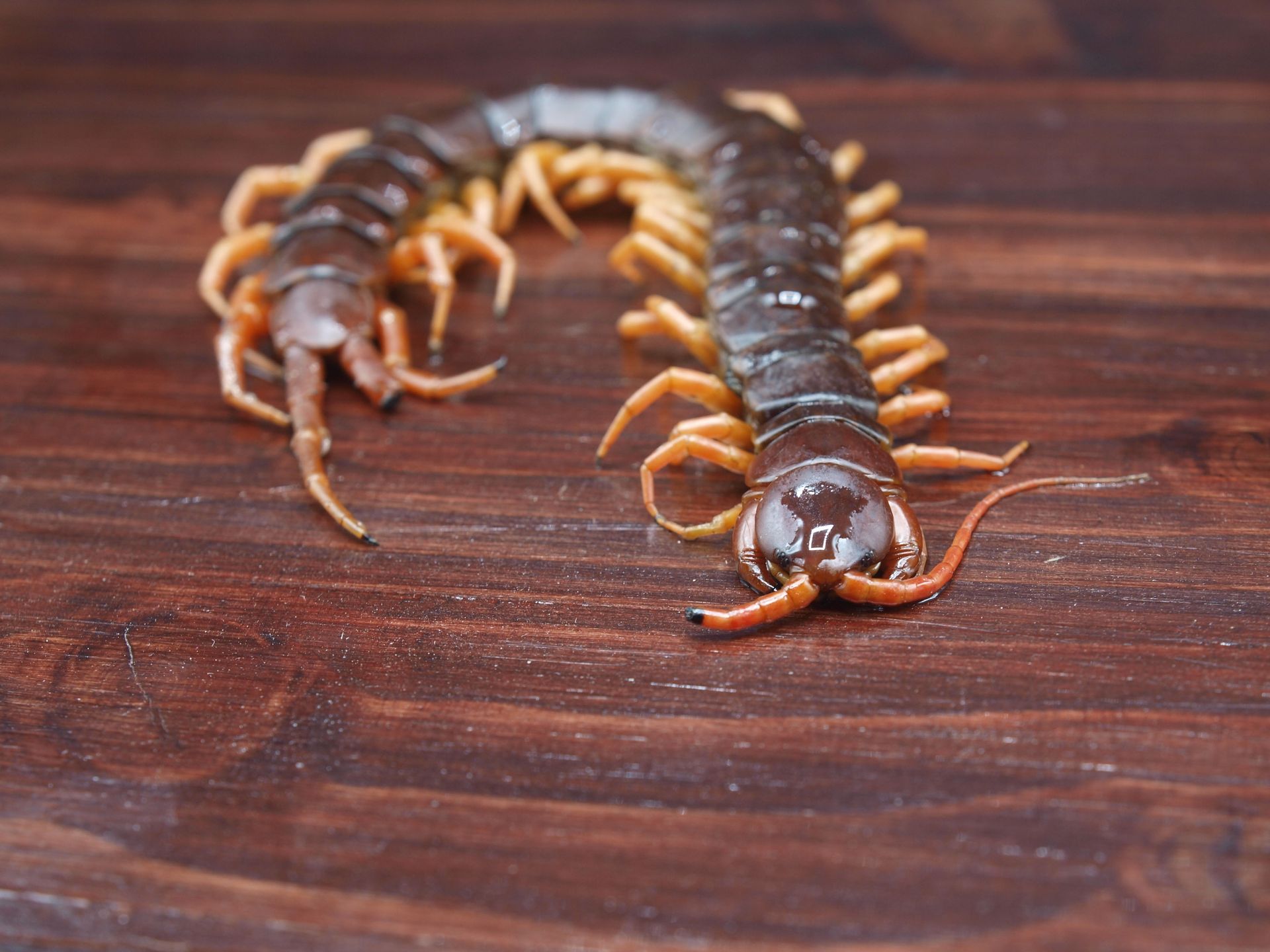
Centipedes are fast-moving nocturnal predators that feed on insects and other small arthropods. They prefer damp, dark environments such as basements, bathrooms, and crawl spaces, and hide under debris outdoors. House centipedes can be beneficial by reducing other pests but may alarm homeowners when seen.
Reproduction
Depending on species, females lay eggs in soil or protected crevices, and young centipedes develop through successive molts. Populations increase where humidity is high and prey is plentiful indoors. They do not form colonies; individuals live and hunt alone.
Signs of Infestation
Sightings in bathrooms, basements, or near drains are the primary indicator. Finding them under stones, leaf litter, or mulch near foundations suggests outdoor harborage. No structural damage occurs; presence correlates with moisture and prey abundance.
Treatments
Reduce indoor humidity with ventilation and dehumidifiers; repair leaks and improve drainage. Seal cracks, add door sweeps, and reduce clutter and harborages around foundations (mulch, leaf litter). Targeted perimeter treatments can help, but long-term control focuses on moisture management and reducing insect prey.
Fleas
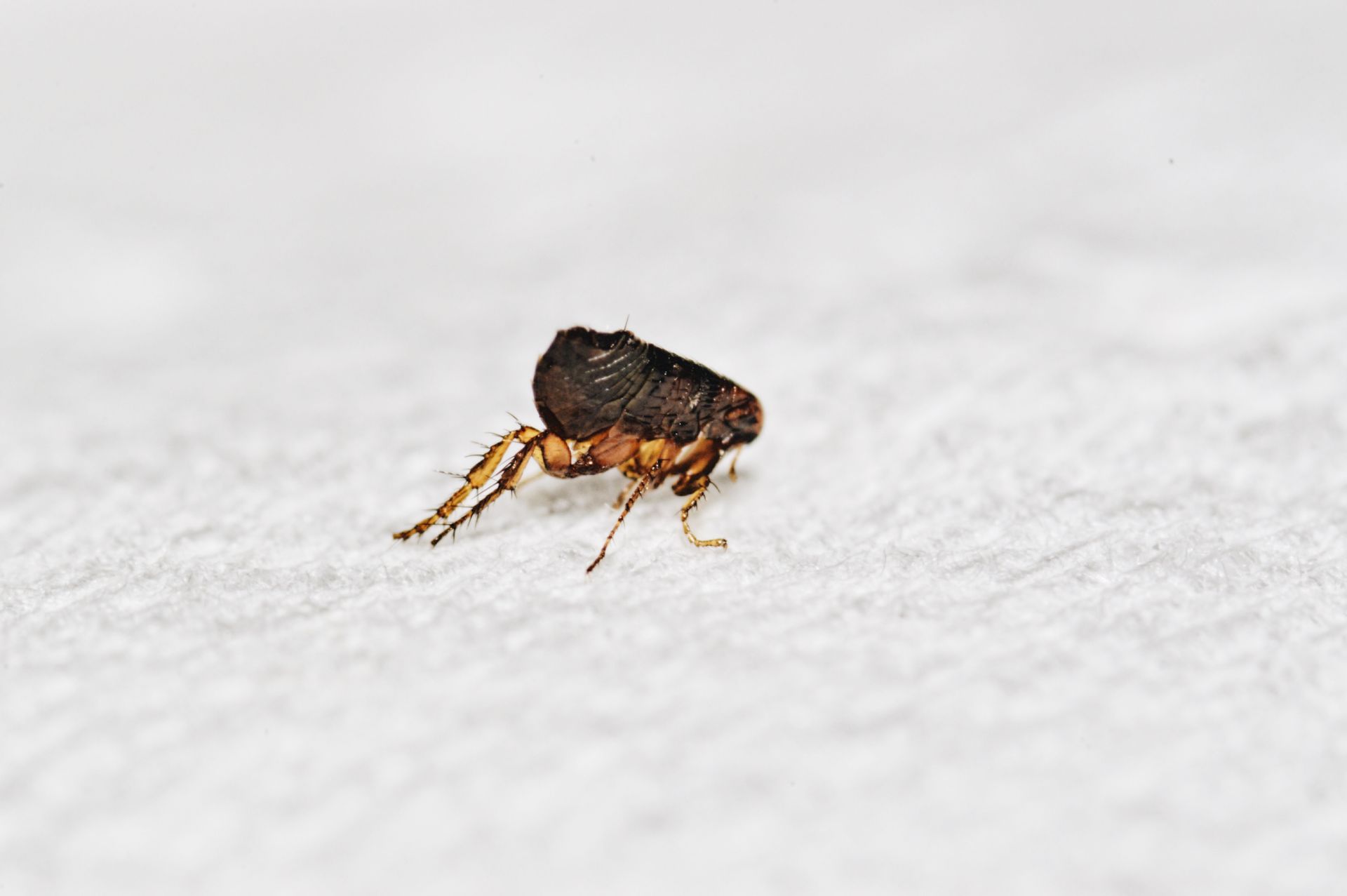
Behavior, Diet, and Habits
Fleas are wingless parasites that feed on the blood of pets and wildlife, and can bite humans opportunistically. Adults live on hosts, while eggs, larvae, and pupae develop in carpets, bedding, and shaded outdoor areas. Vibrations, heat, and carbon dioxide trigger adults to emerge from cocoons and seek a host.
Reproduction
Females begin laying eggs within days of their first blood meal, dropping hundreds into the environment over their lifespan. Larvae feed on organic debris and adult flea feces before spinning cocoons; the pupal stage can persist for weeks awaiting a host. Warm, humid conditions speed development and population growth.
Signs of Infestation
Pets scratching, flea dirt (black specks) on pet fur or bedding, and small jumping insects visible on socks or legs are common signs. Bites often appear around ankles or where clothing fits snugly. Inspection of pet areas and resting spots frequently reveals activity.
Treatments
Treat pets with veterinarian-recommended products while simultaneously addressing indoor and outdoor environments. Vacuum thoroughly and frequently (including under furniture), launder bedding on hot, and consider targeted insect growth regulators (IGRs). Repeat treatments over several weeks to break the life cycle and prevent re-infestation.
Hornets
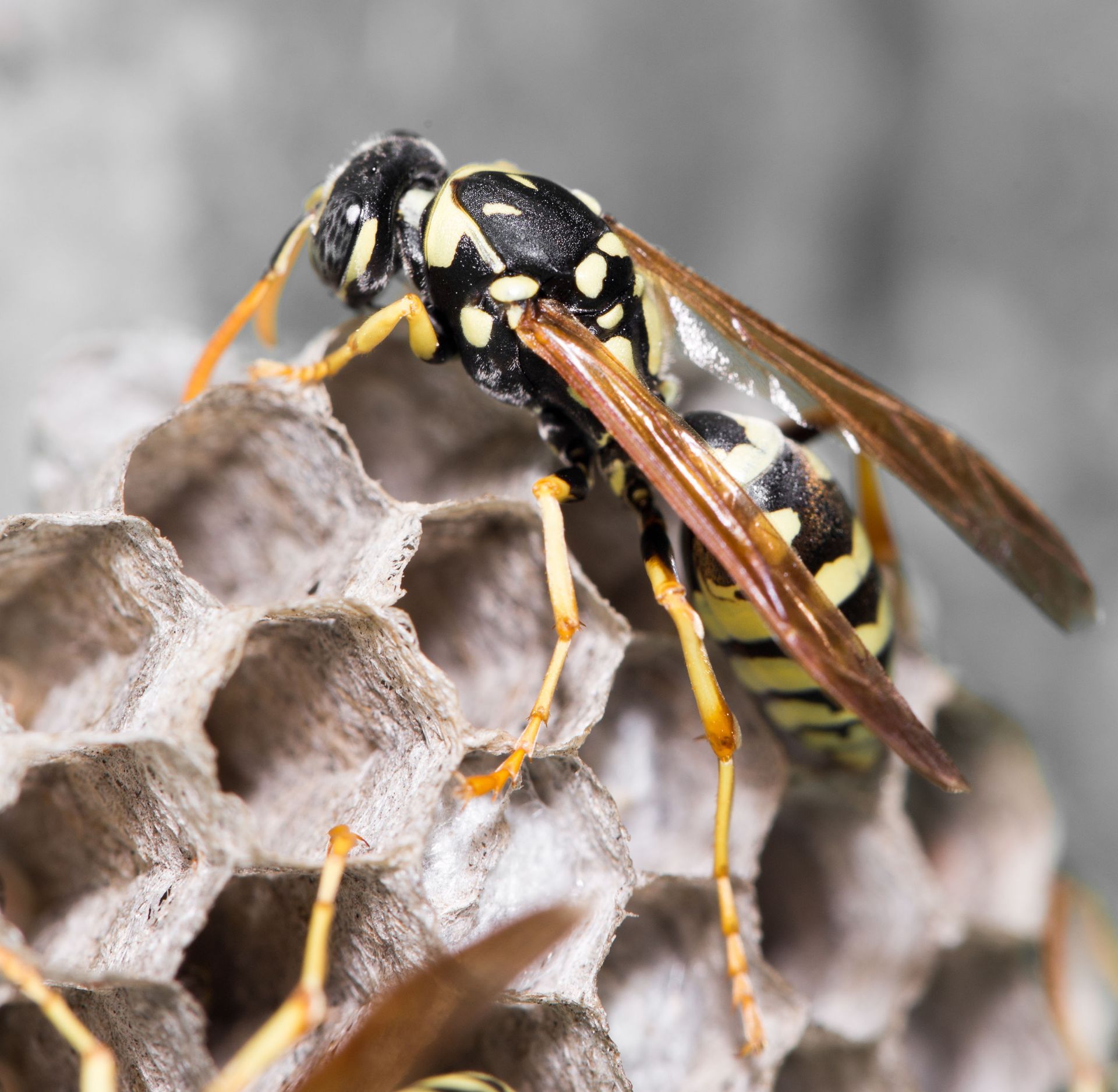
Behavior, Diet, and Habits
Hornets are social wasps that build paper nests above ground in trees, shrubs, or structures, and defend them vigorously. They hunt other insects for protein and seek nectar and sugary liquids as energy sources. Activity peaks in late summer when colonies are largest and food demands are high.
Reproduction
In spring, a single overwintered queen starts a nest, raising the first workers that then expand the colony. By late season, new queens and males are produced; after mating, new queens seek overwintering sites while colonies die out with cold weather. Annual cycles mean old nests are not reused, though nearby sites may be chosen in subsequent years.
Signs of Infestation
Visible gray papery nests and increased flight activity around trees, eaves, or soffits are key indicators. Prey remains and chewed wood fibers may be found near nest-building sites. Buzzing traffic along regular flight paths can be observed during warm daylight hours.
Treatments
Because hornets can be aggressive, professional removal is recommended, especially for nests near human activity. If DIY, treat at night when activity is lowest and stand at a safe distance; follow all label directions carefully. Reduce attractants by covering food and drinks outdoors and securing trash.
Mice
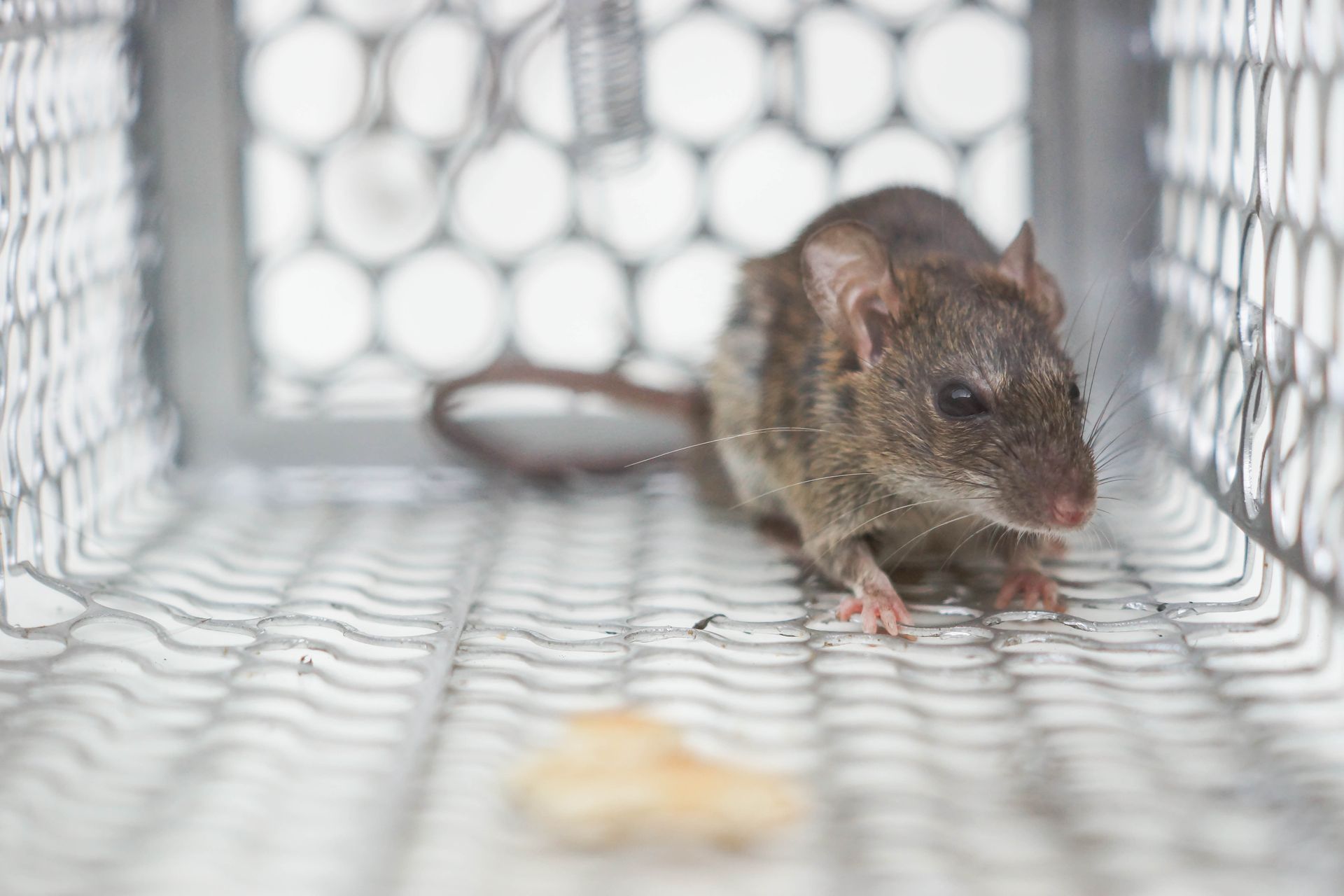
Behavior, Diet, and Habits
House mice are opportunistic omnivores that nest in wall voids, insulation, or cluttered storage areas close to food and warmth. They are agile climbers and can squeeze through openings as small as a dime. Mice are nocturnal and explore along walls, leaving greasy rub marks and small droppings.
Reproduction
Breeding can occur year-round indoors, with females producing multiple litters annually. Gestation is around three weeks, and litters typically contain 4–7 pups, allowing populations to grow quickly. Juveniles mature rapidly and soon contribute to the breeding population.
Signs of Infestation
Rice-grain-sized droppings, gnaw marks, shredded nesting materials, and musky odors are common evidence. Scratching sounds at night and sightings of quick movements along baseboards are typical. Food packages with chewed corners or holes indicate active feeding.
Treatments
Seal entry points larger than 1/4 inch with steel wool and metal flashing; improve sanitation and eliminate food access. Use snap traps or multi-catch traps placed perpendicular to walls where droppings and rub marks are observed. Bait stations may be used with caution; always place out of reach of children and pets and follow label directions.
Moles
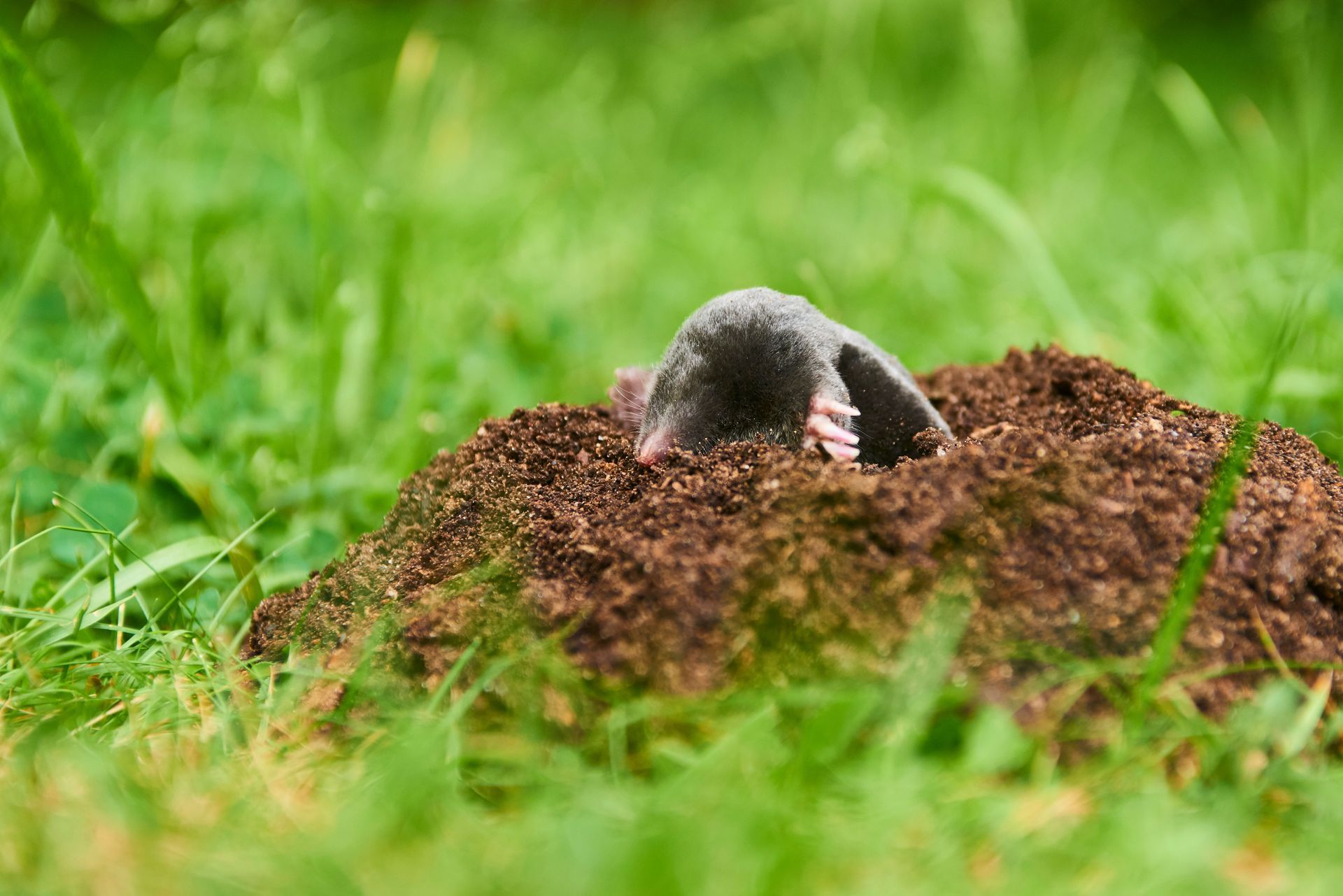
Behavior, Diet, and Habits
Moles are solitary, fossorial mammals that tunnel through lawns and garden beds in search of earthworms and soil invertebrates. They create raised surface runs and deeper tunnels, pushing up soil into mounds. Activity often increases in moist, loamy soils where food is abundant.
Reproduction
Most species breed once per year, with litters born in spring after a winter gestation. Young moles grow quickly and disperse to establish their own territories. Population density is limited by territorial behavior and resource availability.
Signs of Infestation
Raised ridges in turf and volcano-like soil mounds indicate active tunneling. Soft, spongy areas underfoot may trace the path of surface runs. Plant roots may be disturbed, though moles primarily feed on invertebrates rather than plants.
Treatments
Focus on trapping along active surface runs identified by daily collapse-and-rebuild checks. Use bait products labeled for moles carefully, and follow local regulations. Soil drainage improvements and reducing excessive mulch depth can make areas less attractive.
Mosquitoes
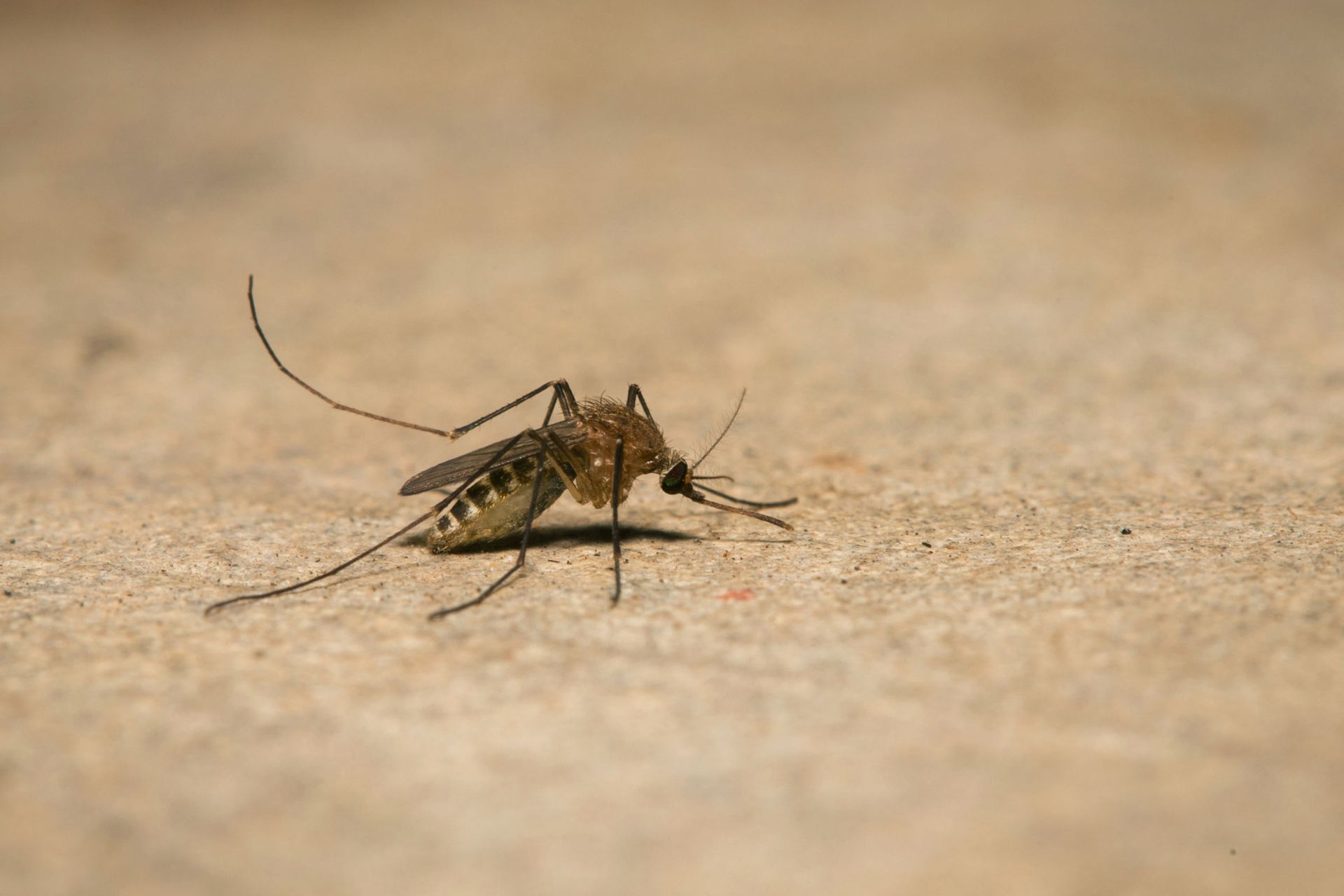
Behavior, Diet, and Habits
Female mosquitoes require blood meals to develop eggs, while both sexes feed on nectar for energy. They rest in shaded, humid areas by day and are most active at dawn and dusk, though patterns vary by species. Many species breed in standing water as small as a bottle cap.
Reproduction
Eggs are laid on or near water; larvae (wrigglers) develop in aquatic habitats before pupating and emerging as adults. Warm temperatures accelerate development, allowing rapid population booms after rains. Some species overwinter as eggs or adults, restarting populations in spring.
Signs of Infestation
Frequent bites outdoors, buzzing near ears, and swarms around shaded, damp vegetation indicate activity. Larvae may be seen wriggling in birdbaths, clogged gutters, or containers holding stagnant water. Resting adults on the underside of leaves or in sheds suggest nearby breeding sites.
Treatments
Eliminate standing water weekly: tip, toss, or treat birdbaths, buckets, gutters, and planters. Use EPA-registered repellents, wear long sleeves/pants, and install/repair window and door screens. Apply larvicides to water that cannot be drained and consider professional barrier treatments where appropriate.
Moths
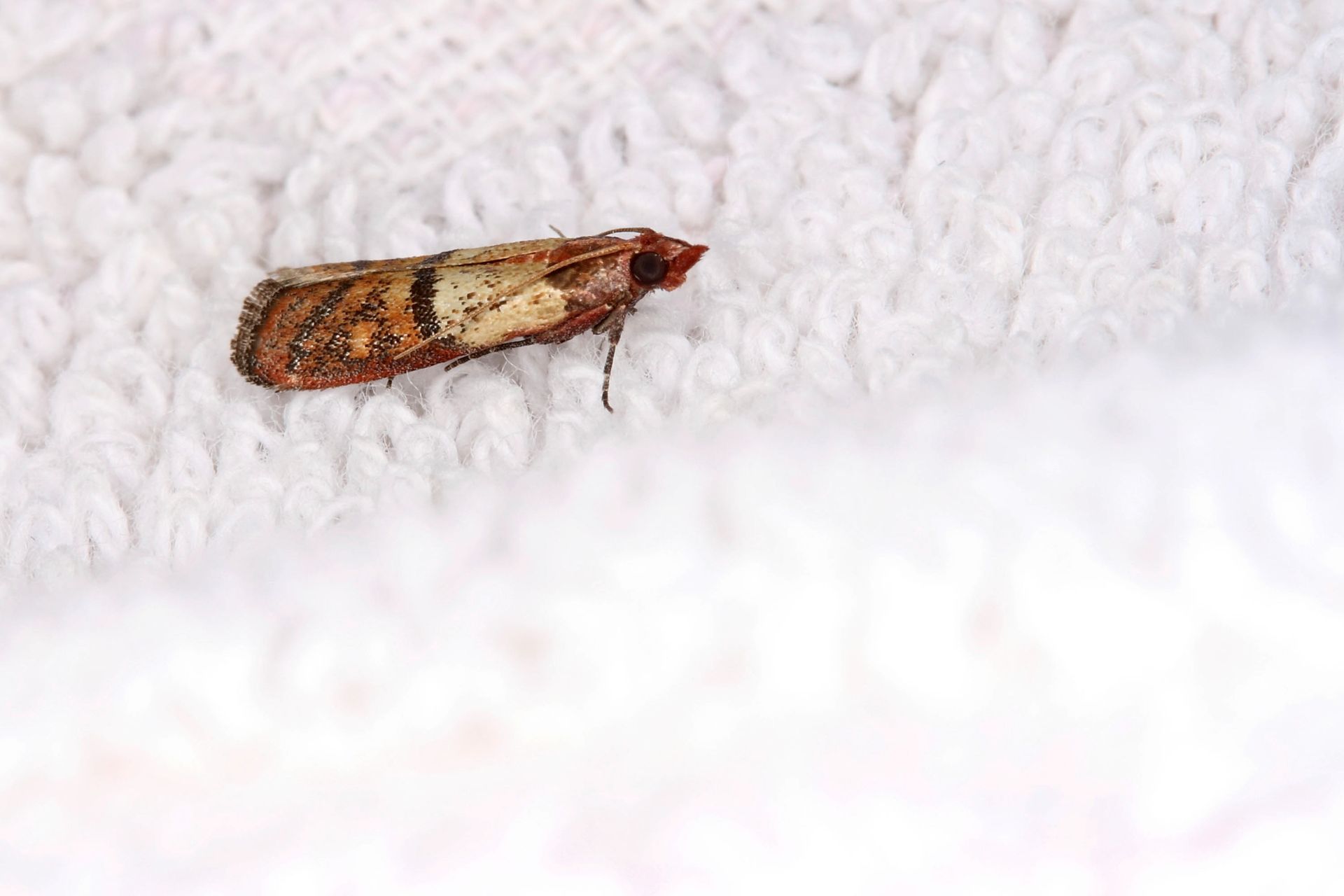
Behavior, Diet, and Habits
Indoor moth problems typically involve pantry moths (grain products) or clothes moths (animal fibers). Pantry moth larvae feed on stored grains, nuts, and bird seed, while clothes moth larvae digest wool, silk, and fur. Adults often fly near lights or rest on ceilings and walls but do not feed on fabrics or foods themselves.
Reproduction
Females lay eggs directly on or near suitable food sources for larvae. Larvae spin silken webbing as they feed and later pupate in concealed areas or within food/fabric. Warm indoor conditions support continuous development and overlapping generations.
Signs of Infestation
For pantry moths: webbing in food packages, clumped grains, and small larvae or pupae in corners of cabinets. For clothes moths: irregular holes in woolens, cocoons in closet corners, and larvae or cast skins in drawers. Adult moths fluttering around kitchens or closets are often the first visible clue.
Treatments
Identify type (pantry vs. clothes) and discard or freeze/treat affected items accordingly. Deep-clean shelves/closets, vacuum crevices, and store susceptible goods in airtight containers. Use pheromone traps to monitor adult activity and interrupt breeding; consider targeted insecticides or desiccant dusts only as a supplement to sanitation.
Rats
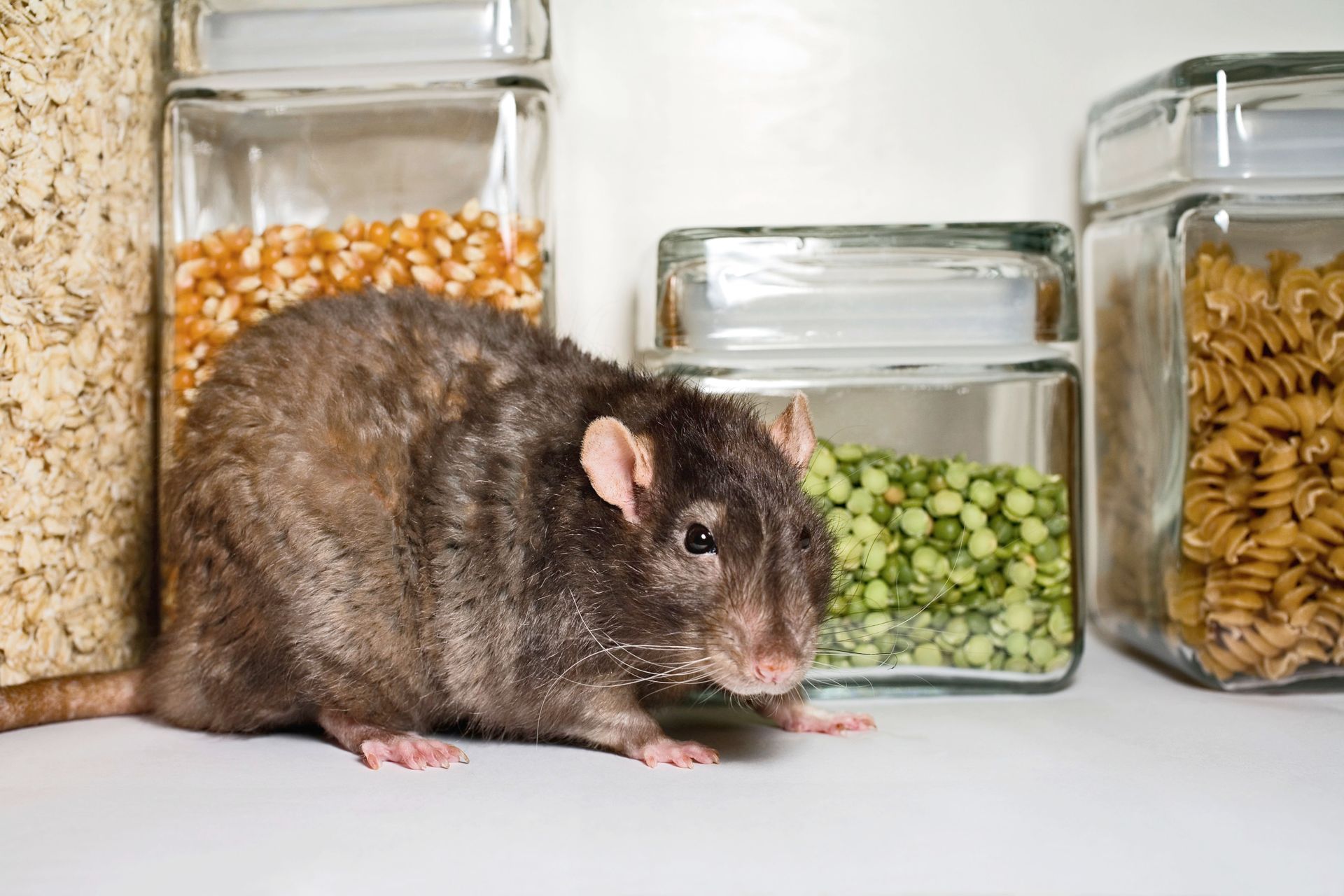
Behavior, Diet, and Habits
Rats are intelligent, neophobic rodents that follow established runways along walls and utility lines. They are omnivores, exploiting garbage, pet food, and garden produce, and require daily water access. Common species include Norway rats (burrowers) and roof rats (excellent climbers).
Reproduction
Rats breed quickly, with multiple litters per year and 6–12 pups per litter depending on resources. Sexual maturity is reached in a few months, allowing fast population expansion in favorable conditions. High food availability and shelter drive sustained infestations.
Signs of Infestation
Large spindle-shaped droppings, gnaw marks, greasy rub marks, and burrow openings near foundations are typical. Noises in walls/attics at night and damaged food containers often indicate presence. Trails may be visible in insulation or dust, and UV light can reveal urine stains.
Treatments
Prioritize exclusion: seal gaps larger than 1/2 inch with rodent-proof materials and install door sweeps. Eliminate food sources and harborage (dense vegetation, clutter), and use snap traps or multi-catch devices along runways. Bait stations can be effective but must be used responsibly to reduce risks to non-targets; consider professional help for heavy infestations.
Cockroaches
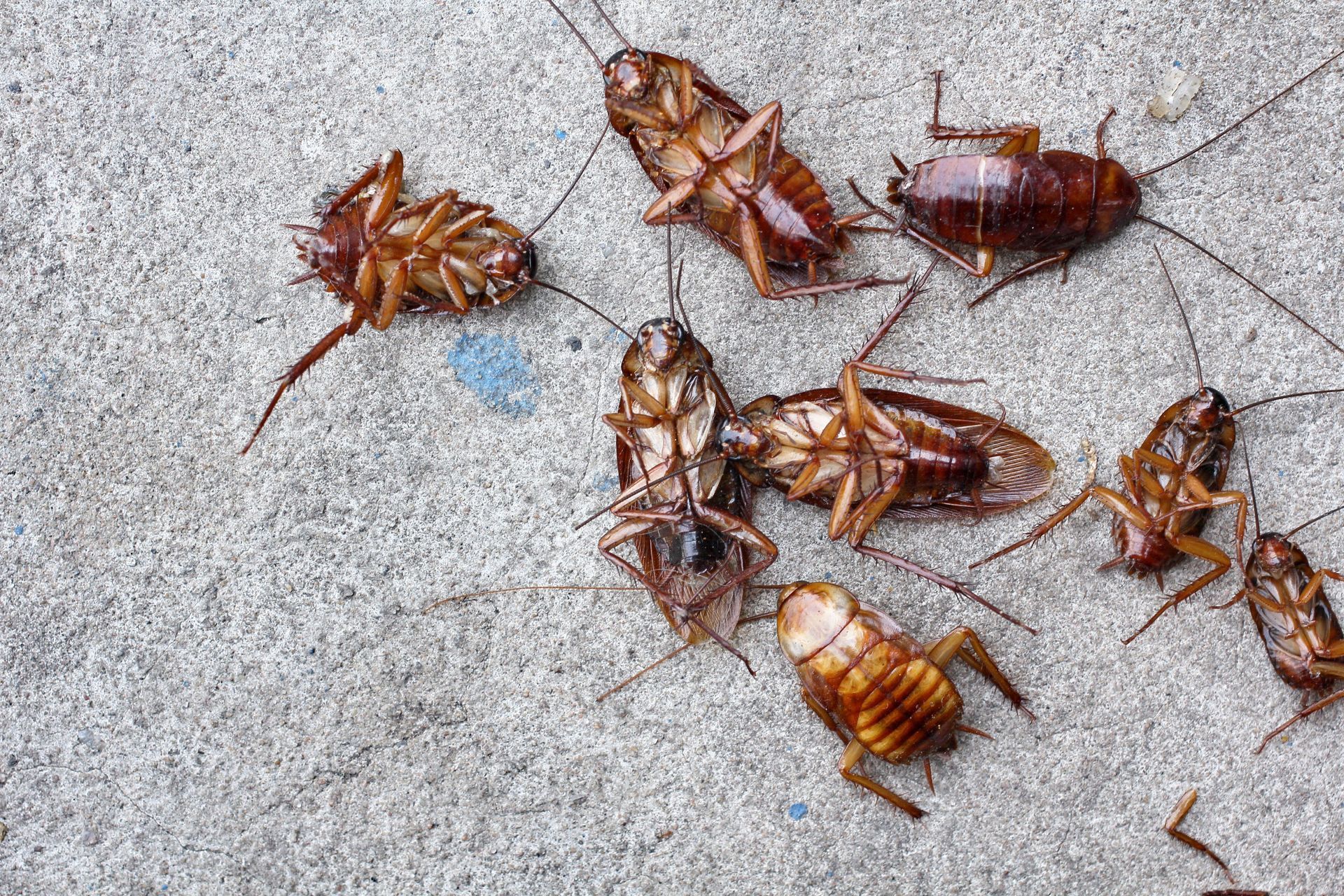
Behavior, Diet, and Habits
Cockroaches are nocturnal scavengers that thrive in warm, humid environments with access to food and water. Common indoor species hide in cracks, behind appliances, and in cluttered areas, emerging at night to feed. They can spread allergens and contaminate surfaces as they forage.
Reproduction
Females produce egg cases (oothecae) containing multiple nymphs; development time varies by species and conditions. Populations can grow rapidly in kitchens and bathrooms where moisture and food are abundant. Some species carry oothecae until hatch, while others deposit them in protected crevices.
Signs of Infestation
Nighttime sightings, pepper-like droppings, shed skins, and egg cases are common. A musty odor may develop in heavy infestations. Smear marks and staining can be present along frequent travel routes.
Treatments
Improve sanitation, fix leaks, and reduce clutter to remove harborage and moisture. Use gel baits and insect growth regulators (IGRs) placed near harborages; avoid overuse of repellent sprays that scatter populations. Seal cracks and install door sweeps; maintain ongoing monitoring until activity ceases.
Scorpions
Behavior, Diet, and Habits
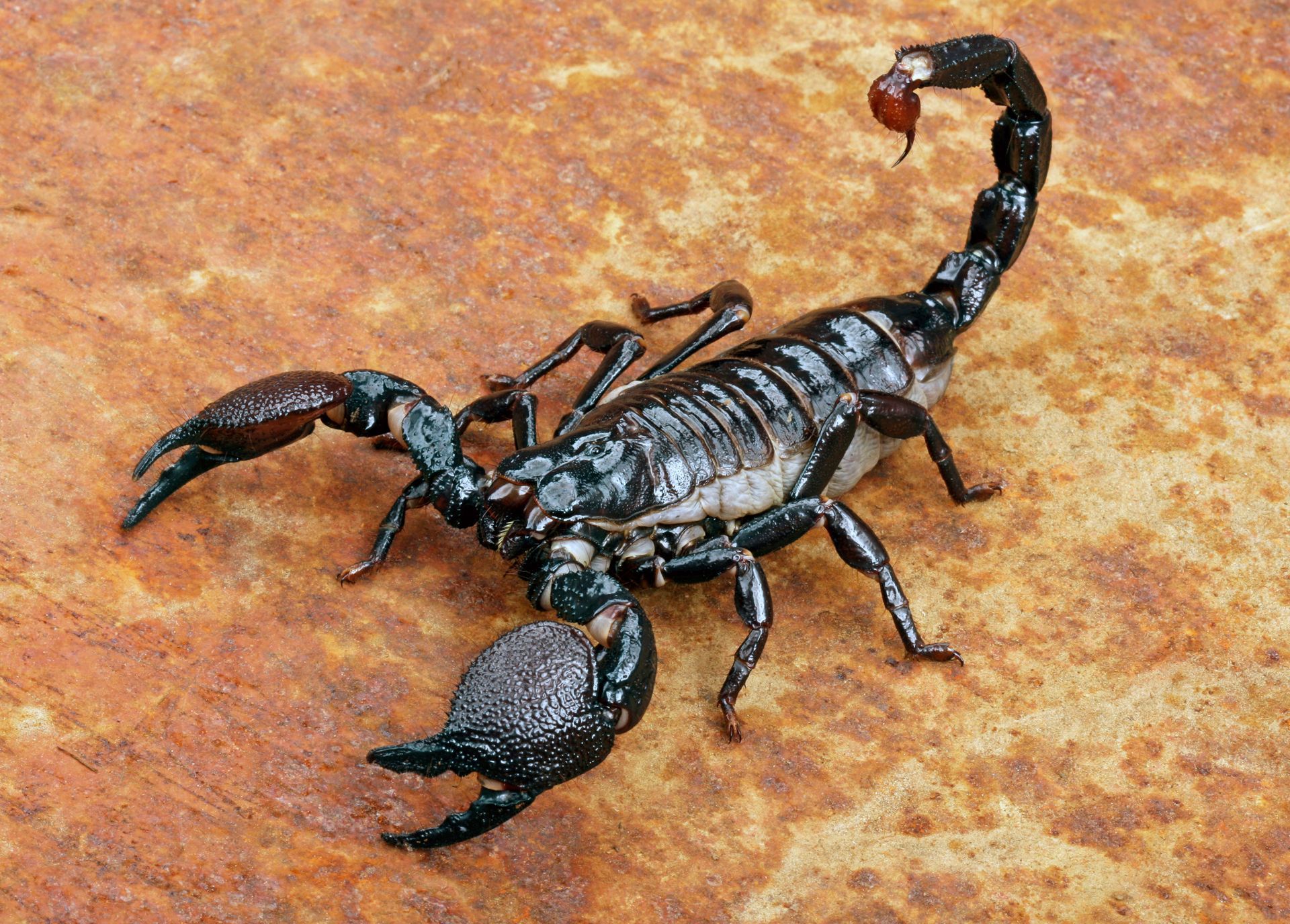
Scorpions are nocturnal predators that hide under debris, bark, or in wall voids during the day and hunt insects at night. They seek cool, moist microhabitats in arid regions and can enter structures through small gaps. Some species can climb rough surfaces, appearing on walls and ceilings.
Reproduction
Scorpions give live birth; young climb onto the mother’s back until their first molt, then disperse. Maturity can take months to years depending on species and environment. Populations grow where prey and harborage are abundant and disturbances are minimal.
Signs of Infestation
Sightings in bathrooms, closets, or garages are typical, especially during hot, dry periods. UV light at night makes scorpions fluoresce, aiding detection outdoors. Stings occur when scorpions are trapped against skin or stepped on.
Treatments
Seal exterior cracks, install door sweeps, and reduce harborages like woodpiles and debris near foundations. Use sticky traps indoors for monitoring and targeted residual treatments along baseboards and entry points. Manage insect prey populations to reduce food sources; wear gloves when working in infested areas.
Silverfish
Behavior, Diet, and Habits
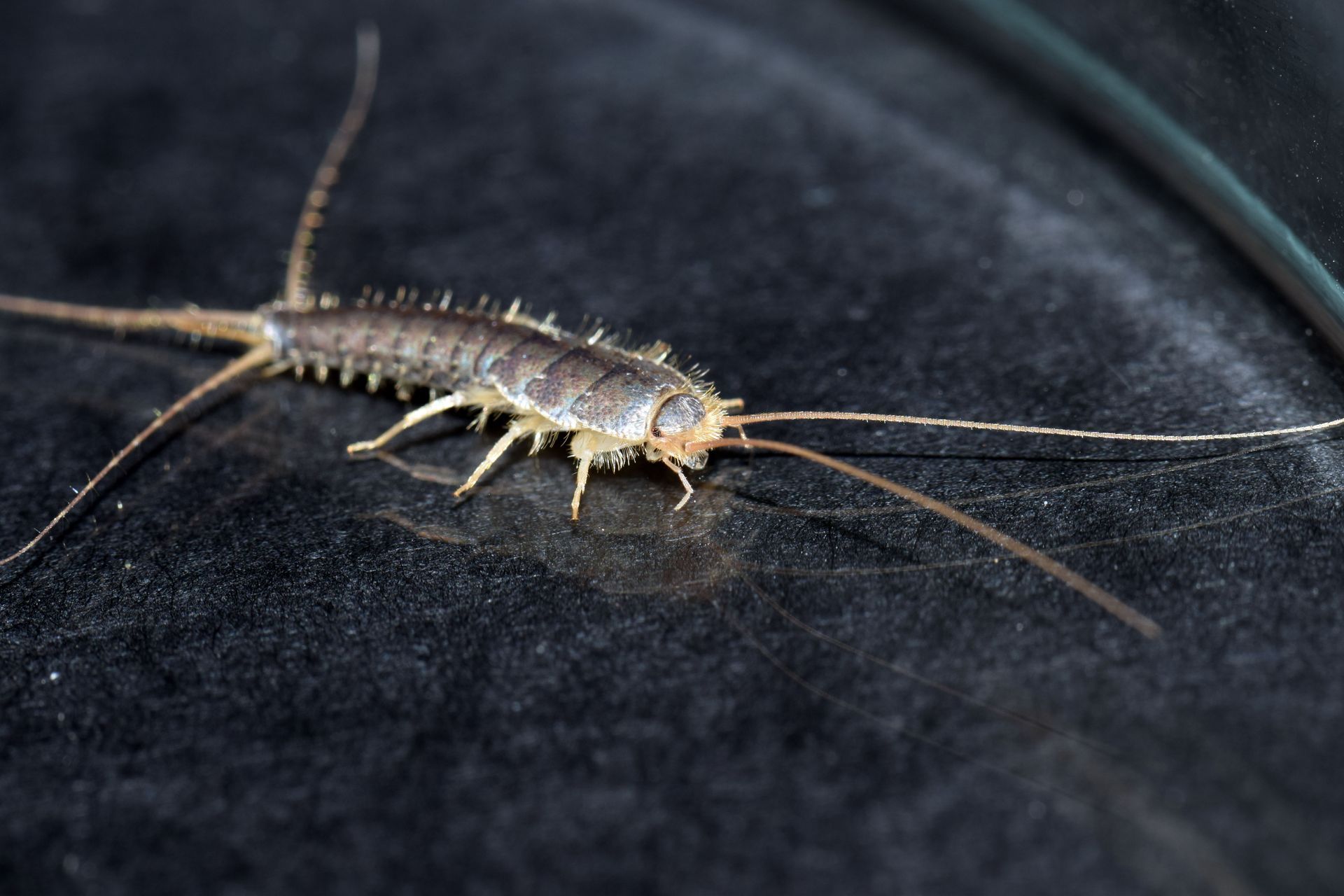
Silverfish are nocturnal, moisture-loving insects that feed on starches, paper, adhesives, and fabrics. They hide in bathrooms, basements, attics, and stored boxes, emerging at night to feed. They can damage books, wallpaper, and clothing over time.
Reproduction
Females deposit eggs in cracks and crevices; development is slow and continuous, with many molts over their lifespan. Warm, humid environments accelerate growth and increase activity. Populations persist where food sources and moisture are steady.
Signs of Infestation
Feeding damage appears as irregular surface etching on paper and fabrics, along with yellowish stains. Sightings at night or when moving stored items are common. Small pepper-like droppings and cast skins may be found near harborages.
Treatments
Reduce humidity with ventilation and dehumidifiers; fix leaks and improve bathroom/kitchen airflow. Store papers and clothing in sealed containers and declutter storage areas. Use desiccant dusts and targeted baits in cracks and voids; monitor with sticky traps and maintain sanitation.
Spiders
Behavior, Diet, and Habits
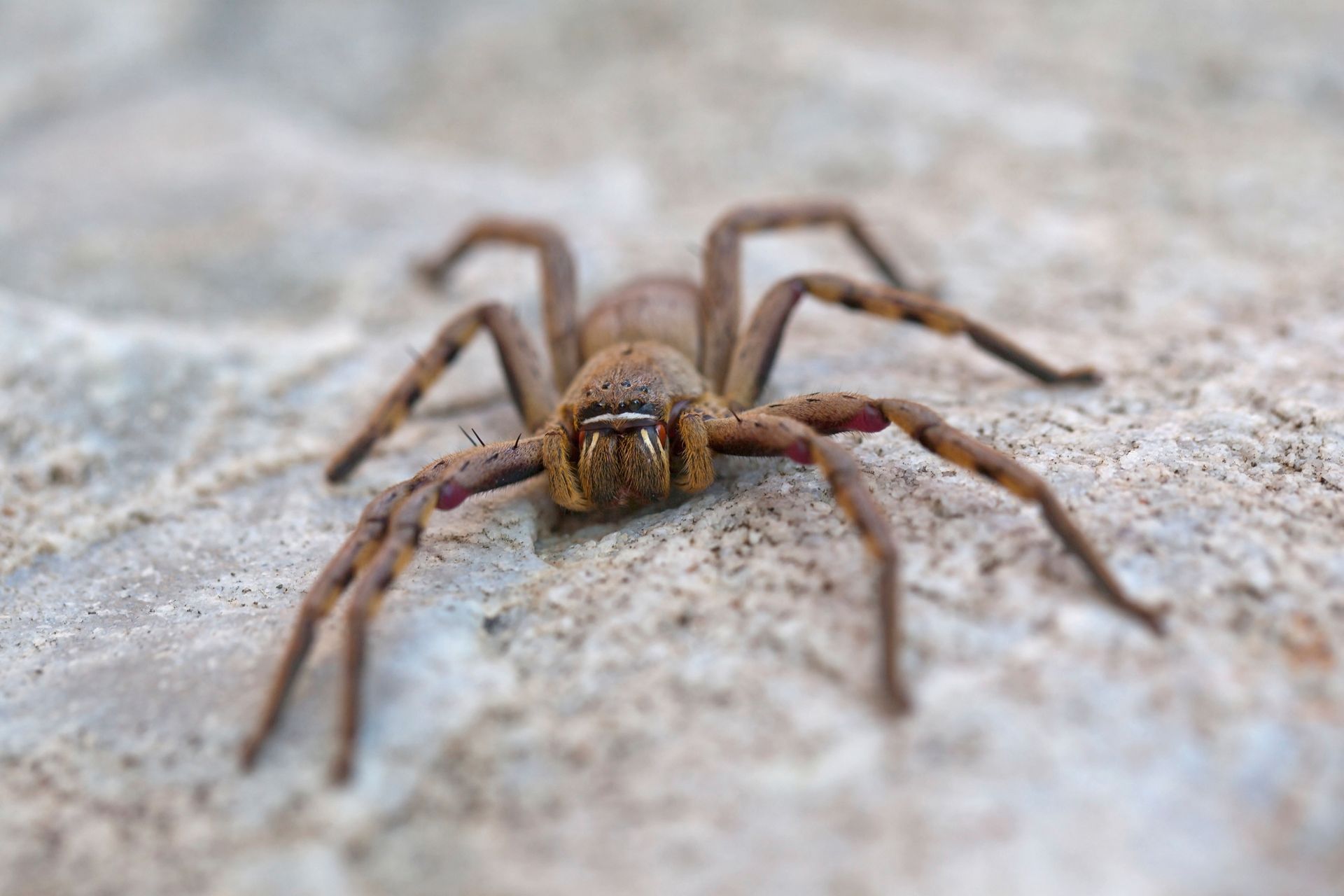
Most household spiders are beneficial predators of insects and prefer undisturbed corners, basements, and garages. They build webs or hunt actively depending on species, and generally avoid human contact. Indoor sightings often increase when outdoor conditions drive prey inside.
Reproduction
Females lay eggs in silken sacs placed in retreats or attached to webs. Spiderlings disperse nearby and mature through successive molts, with development influenced by temperature and food. Population levels typically reflect available insect prey and shelter.
Signs of Infestation
Cobwebs in corners, window wells, and garages, along with occasional adult sightings, are typical. Egg sacs attached to webs or hidden behind objects indicate successful reproduction. Accumulated insect carcasses in webs show active hunting sites.
Treatments
Regularly sweep and vacuum webs, reduce clutter, and improve sealing around doors and windows. Outdoor lighting management (warm-colored LEDs, motion sensors) can reduce attracted prey and thus spiders. Use targeted residual treatments in undisturbed areas only if necessary; focus first on exclusion and sanitation.
Termites
Behavior, Diet, and Habits
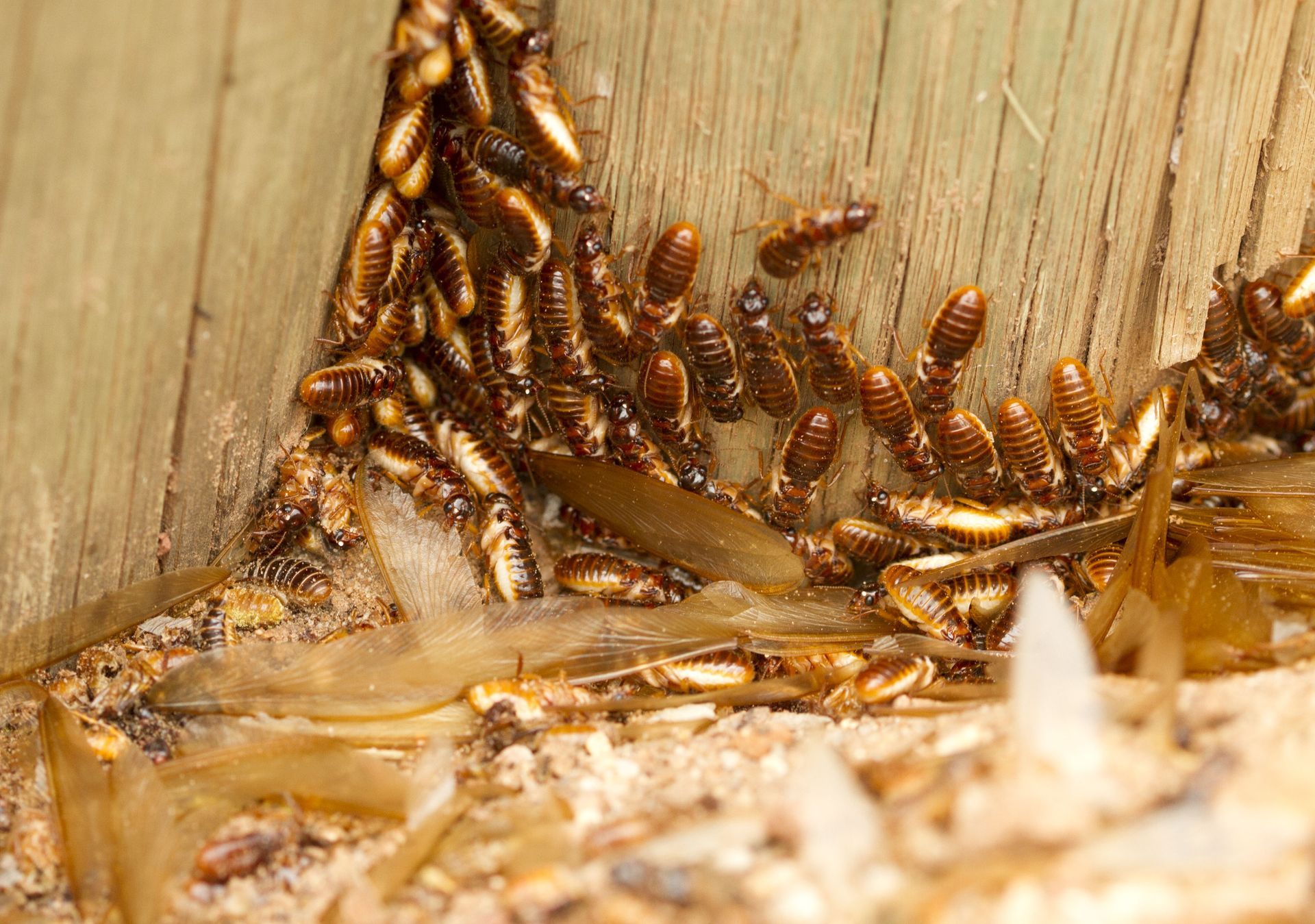
Termites are social insects that feed on cellulose (wood, paper) and live in colonies with workers, soldiers, and reproductives. Subterranean termites build mud tubes to maintain moisture while traveling between soil and wood. They can silently damage structural wood over time.
Reproduction
Mature colonies release winged swarmers in spring or summer to mate and start new colonies. Queens can live for years, producing vast numbers of eggs, while workers care for brood and maintain the nest. Some species form secondary moisture-dependent colonies within structures.
Signs of Infestation
Mud tubes on foundations or in crawl spaces, damaged wood that sounds hollow, and blistered paint are classic signs. Swarms of winged insects indoors or piles of shed wings indicate a mature infestation. Frass may be present with drywood species, though subterranean species typically do not expel pellets.
Treatments
Professional evaluation is recommended; options include soil termiticide barriers, non-repellent treatments, and baiting systems. Eliminate wood-to-soil contact, fix leaks, and improve drainage and ventilation to reduce conducive conditions. Monitor regularly with inspections and maintain protective systems over time.
Ticks
Behavior, Diet, and Habits
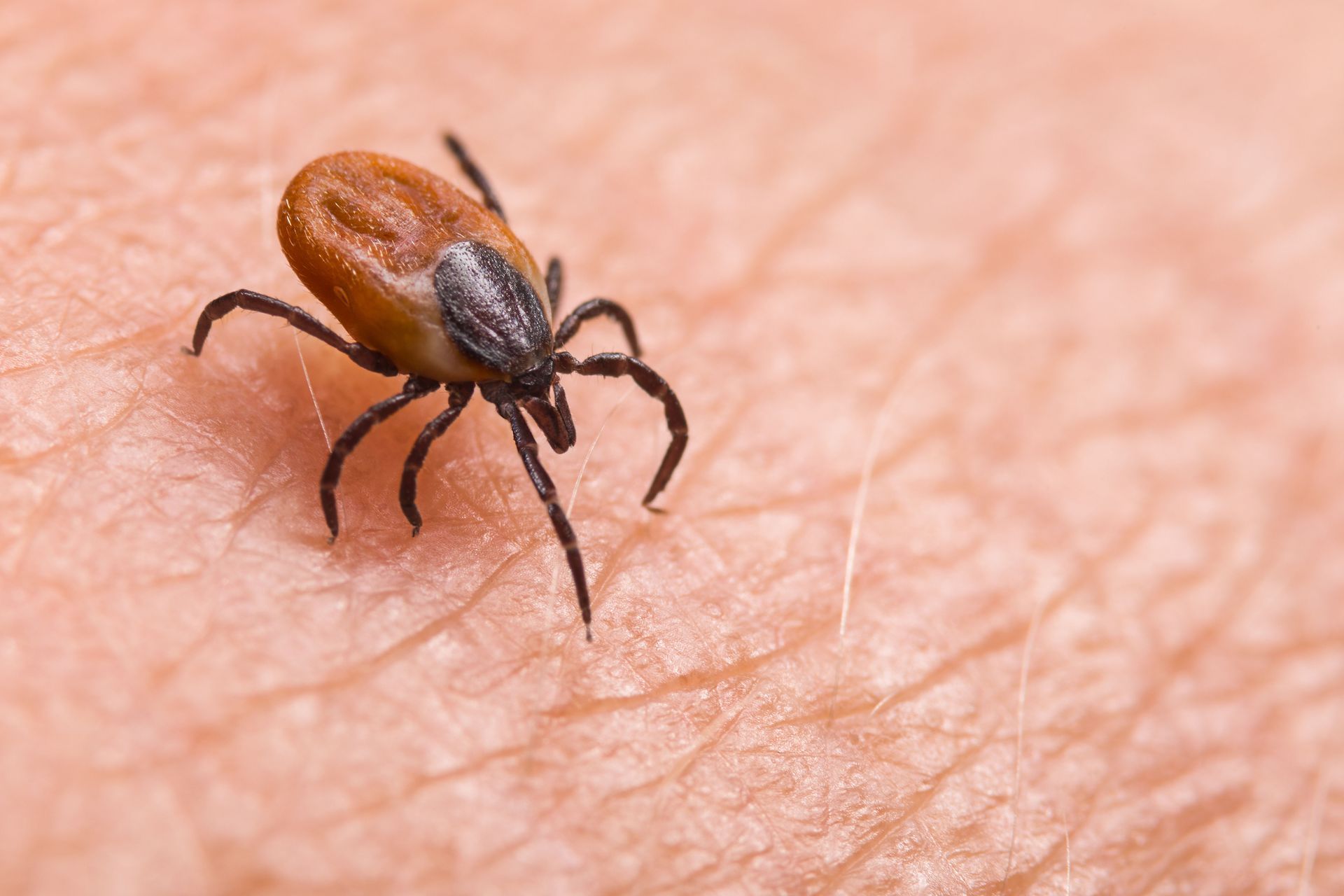
Ticks are external parasites that feed on the blood of wildlife, pets, and humans, questing from vegetation to attach to passing hosts. They prefer humid, brushy environments and often hitchhike into yards on wildlife. Different species have distinct host preferences and seasonal activity patterns.
Reproduction
Females typically feed to repletion before laying thousands of eggs in leaf litter or protected areas. Larvae, nymphs, and adults each seek a blood meal before molting to the next stage, often switching hosts. Overwintering strategies vary by species and climate.
Signs of Infestation
Ticks found on pets or people after outdoor activity indicate local risk. High numbers on drag cloths pulled through tall grass or along property edges reveal hotspots. Bite sites may become irritated; consult healthcare providers for concerns about tick-borne illness.
Treatments
Keep grass and brush trimmed, create mulch or gravel barriers at yard edges, and discourage wildlife that carry ticks. Use EPA-registered repellents and veterinarian-prescribed preventives on pets. Targeted yard treatments may help in high-risk areas; perform thorough tick checks after outdoor activities.
Voles
Behavior, Diet, and Habits
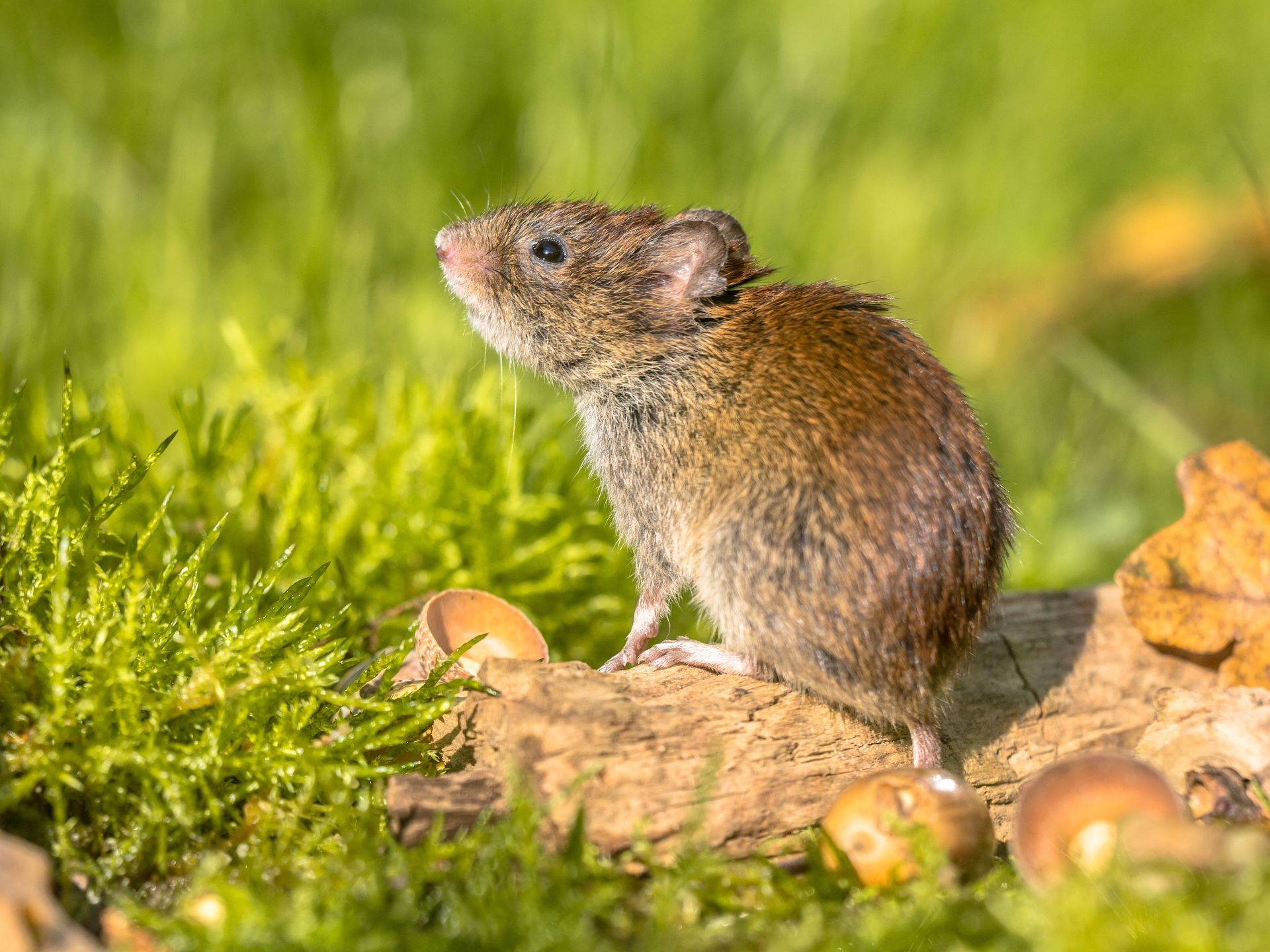
Voles are small, stout rodents that create shallow runways in grass and feed on roots, bulbs, and bark. They are active year-round, often under snow cover, and use burrow entrances with small soil openings. Dense vegetation and ground cover provide protection from predators.
Reproduction
Voles have high reproductive potential, with multiple litters per year when food is abundant. Gestation is short, and young mature quickly, enabling rapid population increases. Populations fluctuate seasonally and with habitat quality.
Signs of Infestation
Surface runways in turf, small burrow holes, and gnawing damage on tree bark near the base are typical. Plants may wilt or die due to root feeding. Droppings and clipped vegetation can be found along runways.
Treatments
Reduce ground cover and mulch depth near trunks; use hardware cloth guards to protect trees. Encourage predators and use snap traps or bait stations where permitted and safe. Modify irrigation and remove dense thatch to make lawns less hospitable.
Wasps
Behavior, Diet, and Habits
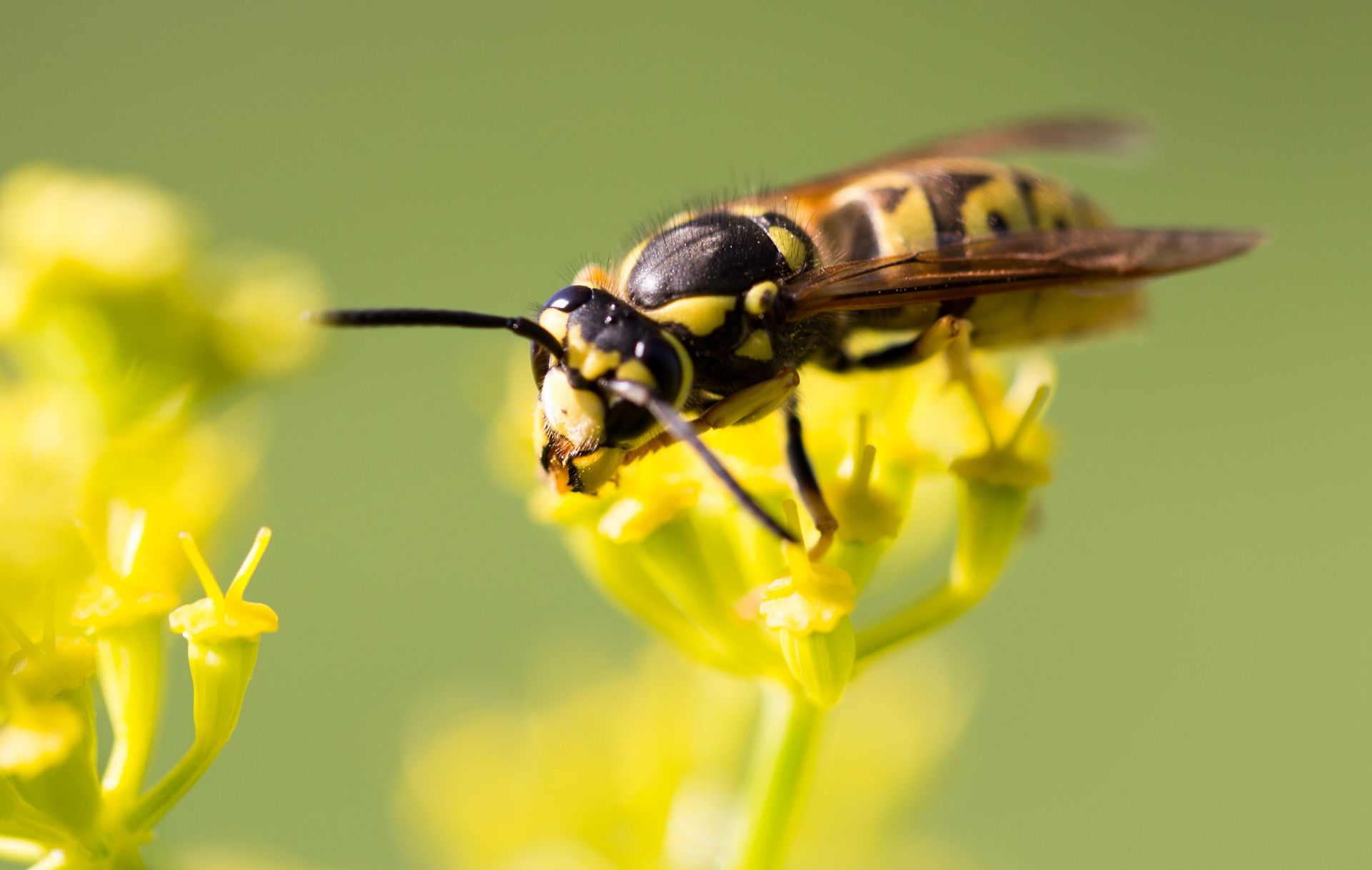
Paper wasps, yellowjackets, and related species are social insects that forage for insect prey and sugars. Paper wasps build open comb nests under eaves, while yellowjackets nest in cavities or underground. They defend nests and can sting repeatedly when threatened.
Signs of Infestation
Visible nests, persistent wasp traffic to soffits or ground openings, and increased activity around food and trash are common indicators. Buzzing in wall voids can indicate cavity nesting yellowjackets. Chewed wood fibers may be found where paper nest material is collected.
Reproduction
Overwintered queens found new colonies each spring, raising workers that expand the nest through summer. Late-season colonies produce new queens and males; old nests are abandoned as cold weather arrives. Nest locations may recur in favorable sites year after year, though structures are not reused.
Treatments
Treat or remove nests at night with appropriate protective equipment, or hire a professional for safety. Seal entry points to wall voids after ensuring nests are inactive, and manage outdoor food sources. Use traps as monitoring tools; prioritize exclusion and sanitation to prevent reestablishment.

